


Gut Support Tea
$15.00
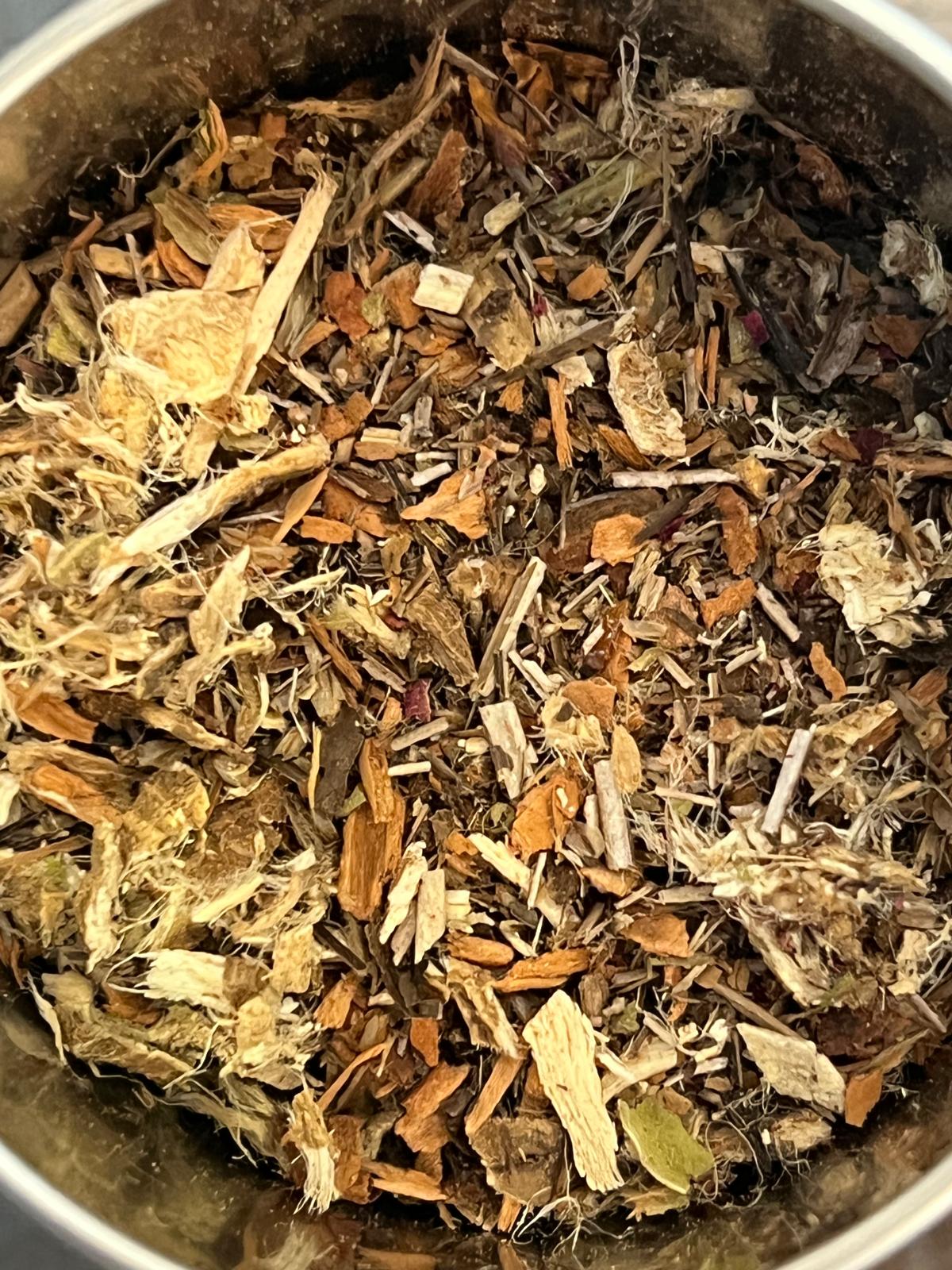
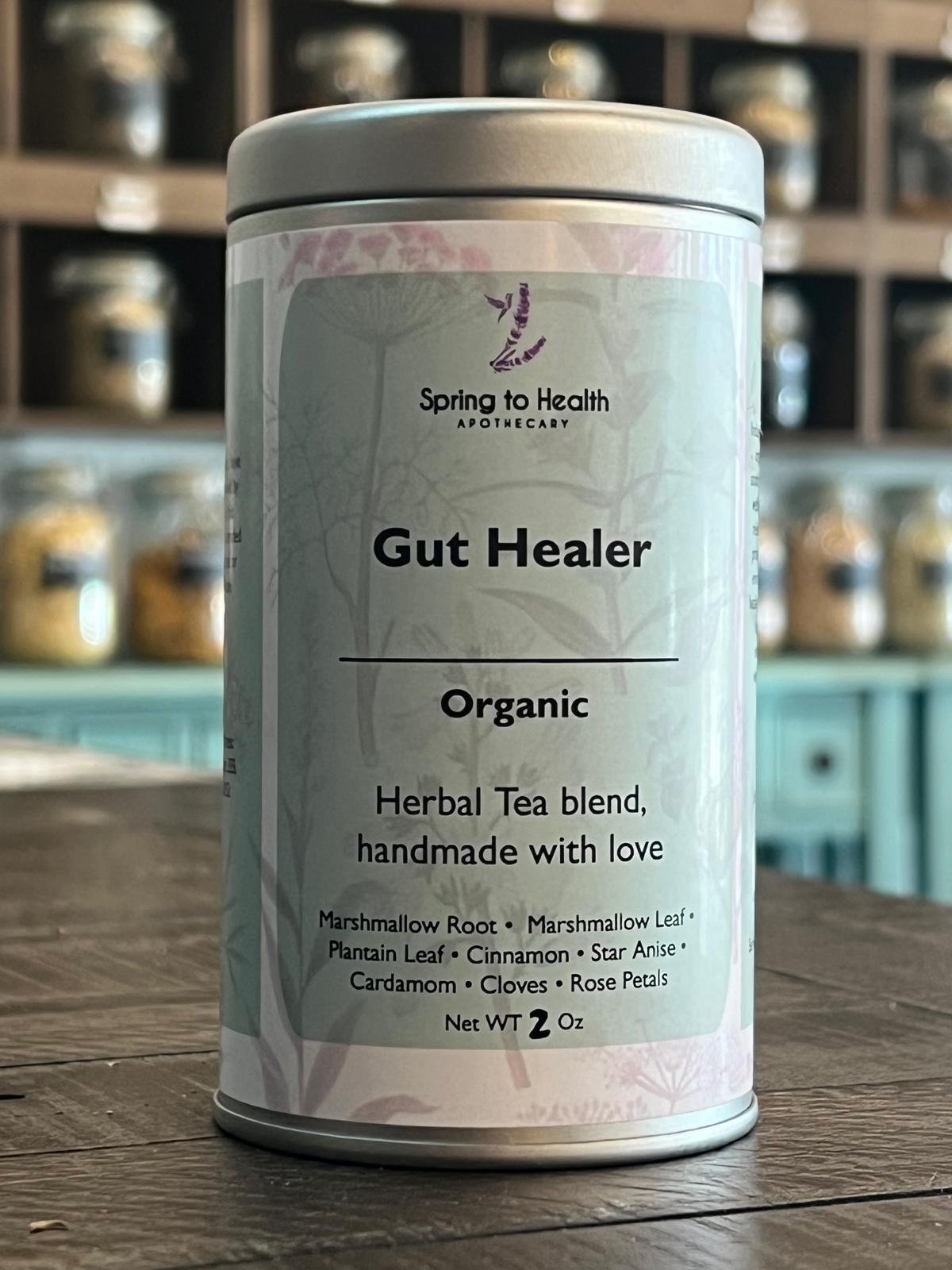
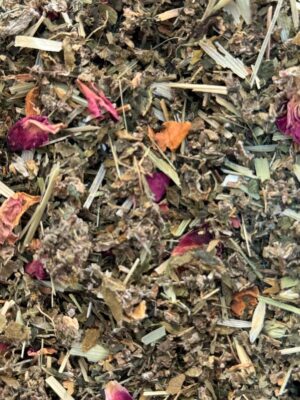
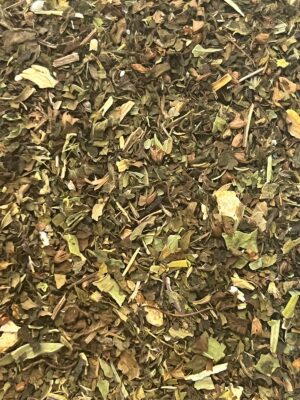
Modern life is rough on the gut. Gut Support Tea is built to give yours a daily moment of comfort — a warm, lightly spiced infusion that soothes, settles, and restores. The base is Marshmallow Root, Marshmallow Leaf, and Plantain Leaf — three of the most beloved demulcent (“soothing-coating”) herbs in folk herbalism. Layered on top: a fragrant warming-spice blend of Cinnamon, Cardamom, Star Anise, and Cloves — traditional after-meal favorites across cultures from India to the Mediterranean — plus a soft floral finish of Rose Petals & Buds. Sip it after meals, on a difficult-belly day, or simply as a daily ritual for a happier gut.
Benefits & Uses
-
-
- A demulcent-rich soothing base. Marshmallow Root, Marshmallow Leaf, and Plantain Leaf are three of the most cherished demulcent herbs in folk herbalism — traditionally enjoyed to support a calm, comfortable digestive tract.
- A warming-spice blend rooted in tradition. Cinnamon, Cardamom, Star Anise, and Cloves have been combined for centuries in Ayurvedic, Persian, and Mediterranean traditions as digestive-friendly post-meal aromatics. There’s a reason these spices show up in chai, mulled wine, and mukhwas across cultures.
- An after-meal favorite. Sip a cup 20–30 minutes after dinner — especially after richer, heavier, or unfamiliar foods — to enjoy the time-honored ritual of warming spices for digestive comfort.
- Aromatic and approachable. Naturally sweet, lightly spiced, and pleasantly floral. No earthy “medicine” notes — this is a cup you actually look forward to.
- A daily ritual for the body’s “second brain.” Modern wellness has caught up with what traditional herbalists have always known: the gut deserves daily care. Build this cup into your routine and your belly will thank you.
- Caffeine-free. Drink any time of day, from breakfast to bedtime.
-
Steeping Instructions
-
-
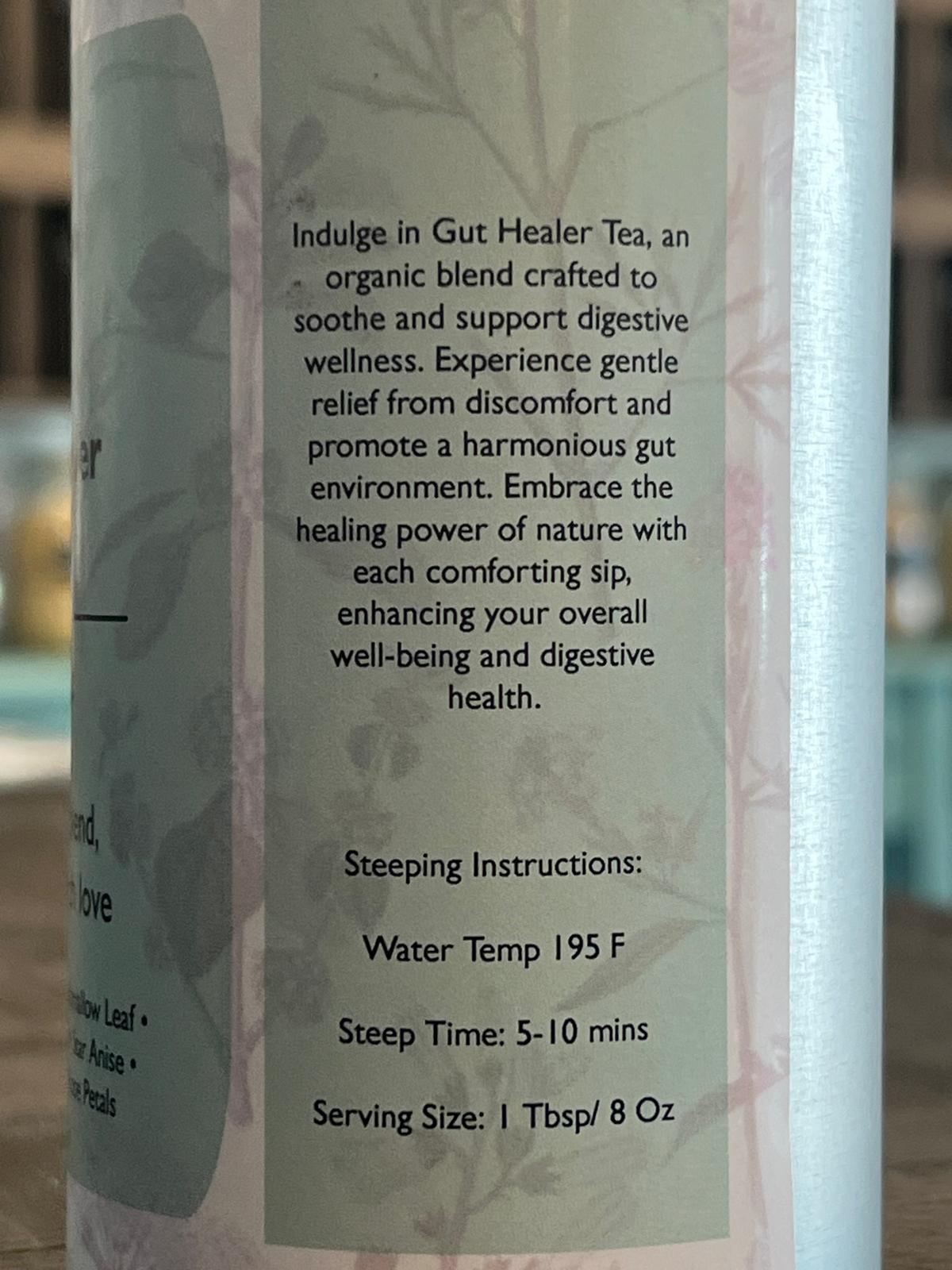
- Water Temperature: 212°F (boiling)
- Steep Time: 5–10 minutes
- Serving Size: 1 Tbsp per 8 oz
-
Tip: Especially nice sipped slowly after a heavy meal.
Safety This blend contains warming spices (Cinnamon, Cloves, Star Anise) — generally well-tolerated at tea strength, but best enjoyed in moderation. Consult your healthcare provider if you are pregnant, nursing, taking prescription medication, or have a known medical condition.
Disclaimer These statements have not been evaluated by the FDA. This product is not intended to diagnose, treat, cure, or prevent any disease.
How the Formula Work
Gut Support Tea is built in two complementary layers. The first is the demulcent base — Marshmallow Root, Marshmallow Leaf, and Plantain Leaf — three herbs naturally rich in mucilage, the soothing plant compound that has been treasured in folk traditions across the world for supporting a comfortable digestive tract. The second is the warming-spice layer — Cinnamon, Cardamom, Star Anise, and Cloves — a fragrant blend rooted in Ayurvedic, Persian, and Mediterranean traditions as classic after-meal aromatics. Rose Petals & Buds add a soft, floral finish that makes the cup feel as comforting as it is restorative.
Herbs
Ingredients
Marshmallow Root
In traditional Persian medicine, marshmallow, known as Khatmi, was valued for its ability to soothe respiratory and digestive issues, particularly in children. Nicholas Culpeper, a 17th-century herbalist, praised it for "opening strait passages and making them slippery," highlighting its demulcent properties.
Marshmallow Leaf
Marshmallow has been revered since antiquity for its soothing and healing nature. Both the root and leaf have been used in traditional European, Middle Eastern, and Native American herbal systems. The leaf is specifically used for its mucilage content, which calms inflamed tissues, especially in the respiratory and urinary systems. Traditionally, it was prepared as a tea, poultice, or syrup to soothe dry coughs, irritated throats, urinary tract inflammation, and wounds. The name Althaea is derived from the Greek word althainein, meaning “to heal.”
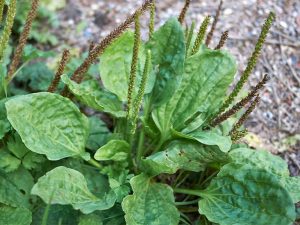
Plantain
Primarily, Plantain Leaf is used to support three systems: the skin (topically), respiratory system, and digestive/urinary systems (internally). One of the most popular ways to use plantain is as tea made from the leaves, although tinctures and capsules are available as well.
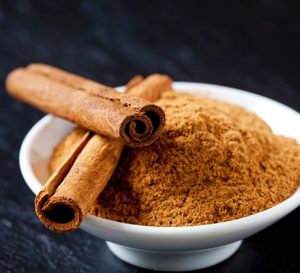
Cinnamon
Cinnamon is not only a flavoring agent but also a powerhouse of health benefits. It is commonly used to support digestion, regulate blood sugar, and boost the immune system. Whether enjoyed in hot tea, sprinkled on oatmeal, or added to smoothies, cinnamon is a warming herb with many health-promoting properties.
Clove Bud
Clove buds have been used for centuries in Ayurvedic, Chinese, and Unani medicine to ease pain, freshen breath, and promote digestion. In traditional Indian practices, clove is considered a powerful digestive and respiratory herb. It’s a warming spice that awakens sluggish circulation, boosts appetite, and clears congestion from the lungs and sinuses. In Unani medicine, it's known for strengthening the stomach and liver, and for calming hiccups, vomiting, and gas. In Western folk medicine, clove oil has been a time-tested remedy for toothaches and sore gums.
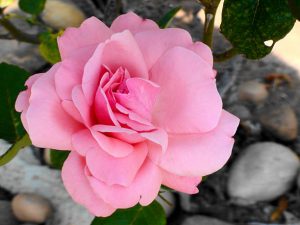
Rose
Rose plays a significant role in health and wellbeing. The petals and rose hips (the fruit below the petals containing the seeds) are both used in traditional preparations, such as teas, tinctures, and topical applications. Rose essential oil is also frequently extracted for its calming properties.
Star Anise
Native to southern China and northern Vietnam, Star Anise has been prized for centuries in Chinese and Ayurvedic medicine. It’s traditionally used to stimulate digestion, dispel gas, relieve colic, and soothe coughs and respiratory congestion. In Traditional Chinese Medicine, it is one of the ingredients in the classical “Shaoyin cold” formula, addressing cold, damp imbalances. In Ayurveda, it’s valued for igniting digestive fire (agni) and easing bloating and sluggish digestion.
Related Products
-
 Best Sellers
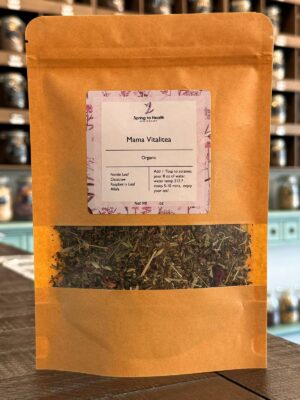
Mama Vitalitea (Caffeine-Free)
$15.00 Select options This product has multiple variants. The options may be chosen on the product pageMotherhood is a full-body workout you never signed up for and never stop running. Mama Vitalitea is the daily replenishment cup designed for that reality — a deeply nourishing, caffeine-free blend of four of the most mineral-rich herbs in women’s traditional herbalism: Nettle Leaf, Oatstraw, Raspberry Leaf, and Alfalfa. Naturally packed with iron, calcium, magnesium, and B-vitamins, it’s a quiet, sippable way to give your body back what motherhood demands every day. Postpartum, peri-postpartum, or just feeling depleted — this is your daily restoration ritual.
-
 Teas
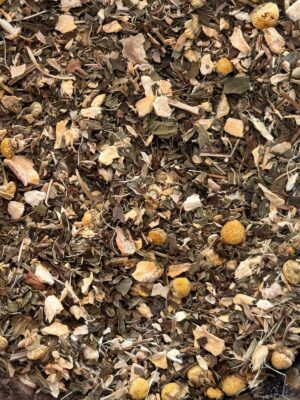
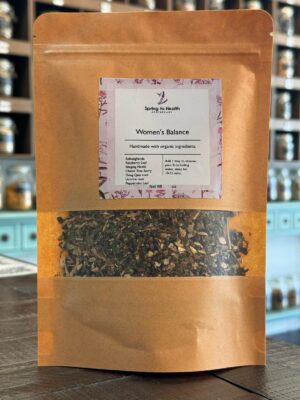
Women’s Balance Tea (Caffeine-Free)
$15.00 Select options This product has multiple variants. The options may be chosen on the product pageA tea built for the cycling years. Women’s Balance Tea is a thoughtful, caffeine-free daily wellness blend designed to support women through the rhythms of monthly life — built around seven herbs deeply rooted in women’s traditional herbalism. Chaste Tree Berry (Vitex), Dong Quai Root, and Ashwagandha lead the formula — three of the most celebrated cycle-and-stress herbs in Mediterranean, Chinese, and Ayurvedic traditions. Raspberry Leaf and Stinging Nettle layer in mineral-rich nourishment, while Licorice Root brings a touch of adaptogenic sweetness and Peppermint finishes the cup bright and clear. Sip daily, consistently, across the cycle — and let the slow work of plants do its thing.
-
 Teas
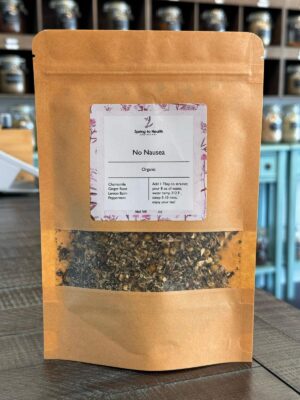
No Nausea Tea (Caffeine-Free)
$15.00 Select options This product has multiple variants. The options may be chosen on the product pageEase occasional nausea and settle your stomach naturally with No Nausea Tea, a gentle, caffeine-free herbal blend designed to support digestive comfort. Crafted with Chamomile, Ginger Root, Lemon Balm, and Peppermint, this soothing infusion helps calm queasiness, promote digestion, and restore balance. Whether you’re dealing with morning sickness, motion discomfort, or digestive upset, this refreshing and nourishing tea provides a comforting solution. Enjoy it warm or iced whenever you need a moment of relief and relaxation.
-
 Immunity
The Texas Shield Tea
$17.00 Select options This product has multiple variants. The options may be chosen on the product pageBreathe easy and embrace the changing seasons with our Texas Shield Tea. This naturally caffeine-free herbal blend is thoughtfully crafted to soothe your system and provide calm when seasonal discomforts are high. Sip your way to comfort with this soothing, earthy, and refreshing daily cup.
1 review for Gut Support Tea
There are no reviews yet.