

Plant Profiles
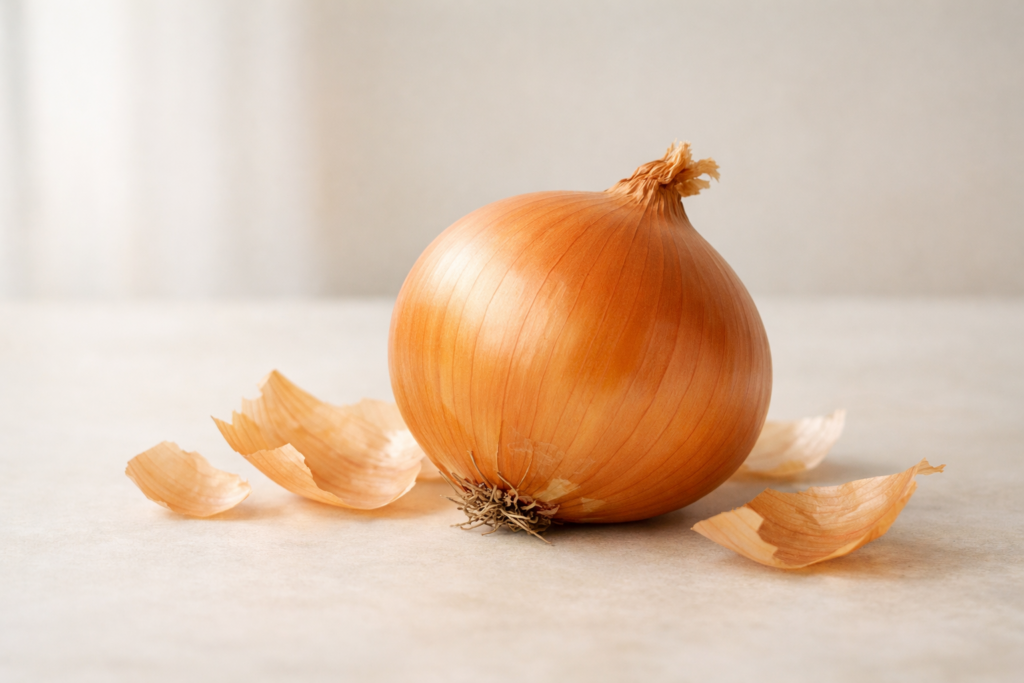
Onion
Allium cepa
Latin Name: Allium cepa
Herb Class/Action: Antimicrobial, expectorant, circulatory stimulant, antioxidant, immune-supportive, diaphoretic
Parts Used: Bulb
Flavors: Pungent, sharp, sweet
Energetics: Warming, drying
Traditional Benefits: Immune support, respiratory support, circulatory support, digestive support, cardiovascular support, antioxidant support
The Everyday Healing Bulb
Onion is one of the world’s most familiar culinary plants, yet this humble bulb has been treasured in traditional herbal medicine for centuries. A member of the Allium family, onion has a characteristic pungent aroma and flavor and is valued for its warming, stimulating, and cleansing qualities.
From traditional European herbalism to folk medicine across Asia and the Middle East, onion has long been used as a household remedy, particularly during seasonal respiratory discomfort. Its versatility makes it both a nourishing food and a traditional herbal ally.
A Traditional Respiratory Ally
Onion has traditionally been used to support the respiratory system, especially during times of seasonal congestion, cough, and throat discomfort. Its pungent compounds are believed to help loosen mucus and encourage healthy respiratory secretions.
Traditional preparations include onion syrups, teas, broths, and poultices. Combining onion with honey has been a particularly popular household preparation for soothing the throat and supporting comfortable breathing.
Natural Immune & Antioxidant Support
Onions contain sulfur-containing compounds and flavonoids, including quercetin, which contribute to their antioxidant properties. These naturally occurring compounds help protect cells from oxidative stress and support the body’s normal immune defenses.
Onion’s pungent nature also gives it traditional antimicrobial qualities, making it a valued ingredient in many folk remedies.
Digestive & Circulatory Support
As a warming and stimulating herb, onion has traditionally been used to encourage healthy digestion and circulation. Its pungency can stimulate digestive secretions, while its natural plant compounds support healthy cardiovascular function.
Onions also contain prebiotic compounds such as fructans, which can help nourish beneficial bacteria in the digestive tract.
Best Ways to Use Onion
Food: Fresh onion can be incorporated into soups, stews, sauces, salads, and savory dishes as a flavorful and nourishing food.
Onion Syrup: Traditionally prepared by combining sliced onion with honey or sugar and allowing the mixture to release its juices. This traditional preparation is commonly used for seasonal throat and respiratory support.
Tea or Decoction: Onion can be gently simmered in water and combined with other traditional herbs for a warming seasonal drink.
Broth: Onion is an excellent addition to nourishing vegetable, bone, and herbal broths.
Topical Preparations: Traditional folk practices have used warmed onion preparations externally as poultices for areas of occasional discomfort.
A Kitchen Staple with Herbal History
Onion is a wonderful reminder that some of the most familiar foods can also have a long history in traditional wellness practices. Its pungent flavor, warming character, and abundance of beneficial plant compounds have made it a staple in kitchens and herbal traditions around the world.
Whether enjoyed in everyday meals, prepared as a traditional syrup, or added to a nourishing broth, onion continues to be valued as a simple and versatile botanical ally.
Disclaimer: This information is provided for educational and historical reference only and has not been evaluated by the Food and Drug Administration. Onion is not intended to diagnose, treat, cure, or prevent any disease. Consult a qualified healthcare professional before beginning any new herbal supplement or therapeutic preparation, especially if you are pregnant, nursing, have a medical condition, or are taking prescription medications.