

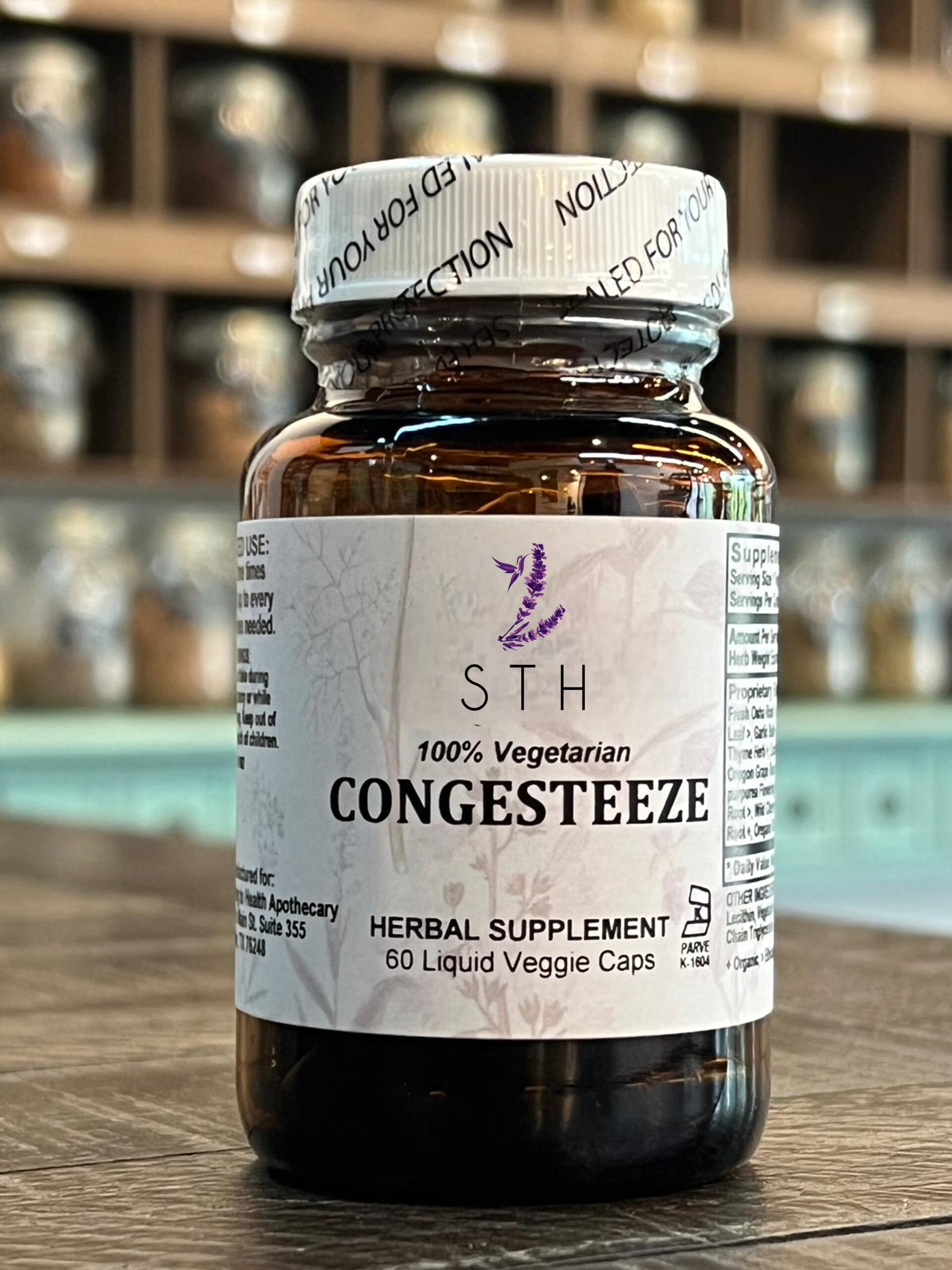
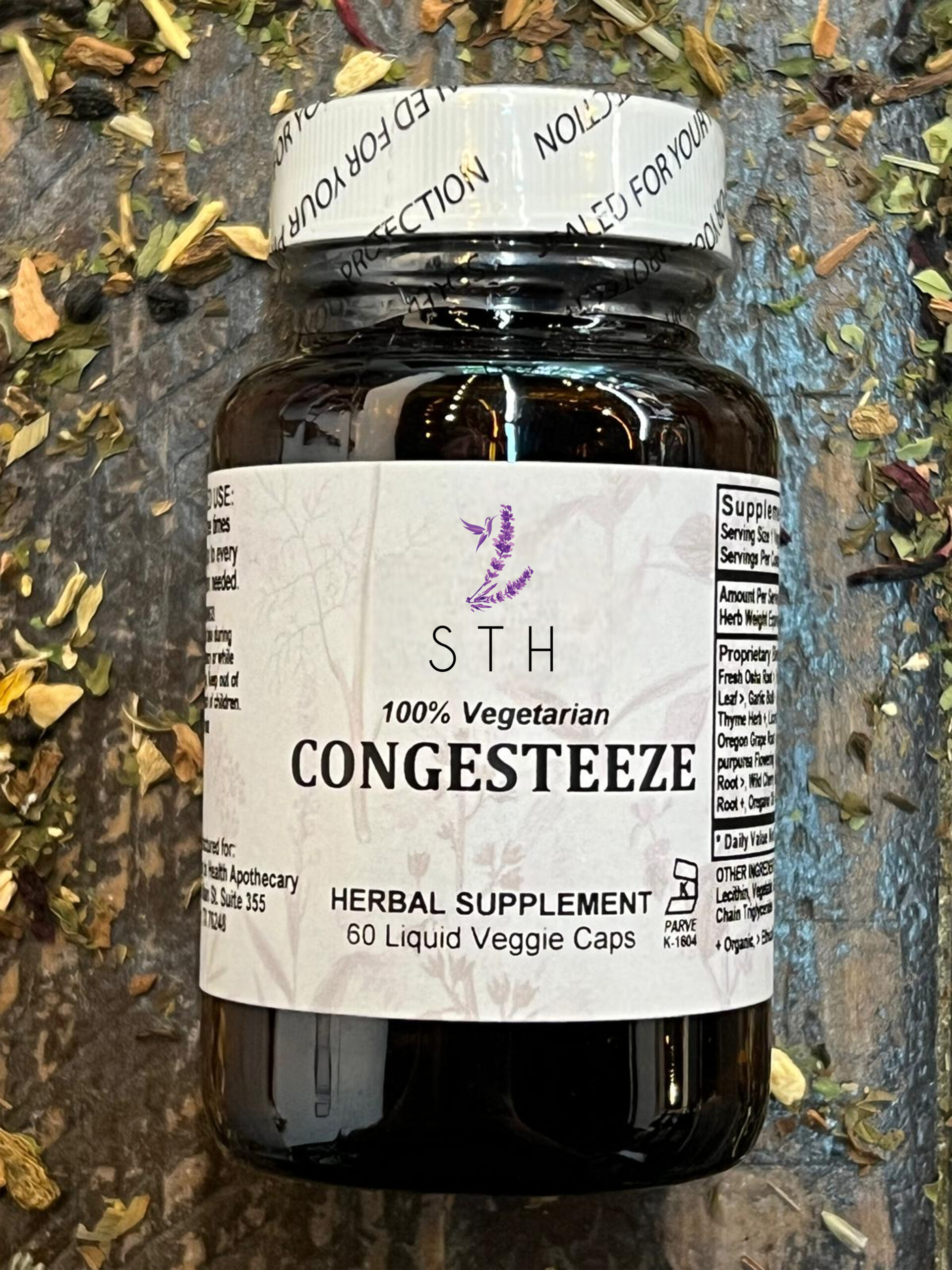
Congest Eeze
$32.00
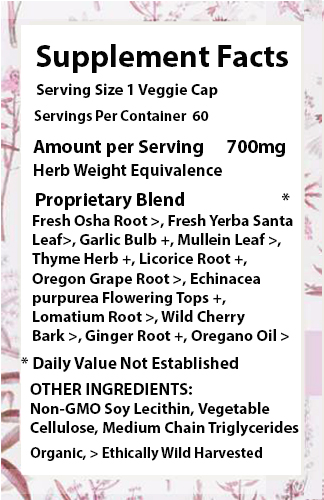
Some seasons hit your lungs harder than others. Congest Eeze is a robust, professional-strength capsule formula designed to support respiratory wellness — built around twelve of the most respected respiratory and immune herbs across global folk traditions. Featuring Osha Root (an Indigenous American respiratory ally), Yerba Santa and Mullein (two of the most beloved “lung herbs” in folk herbalism), Lomatium (a treasured Pacific Northwest tribal medicine), and finished with Garlic, Thyme, Oregano, Echinacea, and four supporting herbs, this is the capsule you reach for during seasonal transitions, smoke-heavy days, dry-winter weeks, or whenever your respiratory system is asking for backup.
Benefits & Uses:
- A complete respiratory-wellness toolkit. Twelve carefully chosen herbs from Native American, European, Mediterranean, and Traditional Chinese herbal traditions — each with a long history of being turned to for respiratory support. This isn’t a one-ingredient formula; it’s a complete daily ally.
- Built around three classic “lung herbs.” Mullein, Yerba Santa, and Osha are three of the most cherished lung-supportive herbs in Western and Native American folk herbalism — long enjoyed to support healthy lung function and a comfortable, clear breath.
- Layered immune support. Echinacea, Osha, Garlic, and Licorice each bring their own traditional immune-supportive character — perfect for the seasons when your body needs extra help.
- Throat-comforting demulcents. Cherry Bark, Licorice Root, and Mullein add soothing, demulcent quality — traditionally enjoyed to support a comfortable throat.
- For seasonal transitions and challenging environments. Whether you’re dealing with seasonal shifts, dry winter air, smoke-heavy summers, or you simply work or live in environments that ask a lot of your lungs — this is a daily ally for respiratory wellness.
- Warming, circulatory support. Ginger brings traditional warming character that helps the formula feel active and energizing.
Dosage
- Take 1 veggie capsule, 2–3 times daily with water or juice.
- During challenging respiratory seasons, take 1 capsule every 2–3 hours, up to 6 capsules per day.
- For best results, use consistently. Most respiratory herbs work best as a steady habit rather than a one-time dose.
Safety
- Not recommended during pregnancy or breastfeeding.
Disclaimer These statements have not been evaluated by the FDA. This product is not intended to diagnose, treat, cure, or prevent any disease.
How the Formula Work
Congest Eeze brings together four complementary layers. The first is the lung-supportive core — Mullein, Yerba Santa, Osha Root, and Lomatium — four classic respiratory herbs from Native American and Western folk herbal traditions, each long enjoyed to support healthy lung function and clear, comfortable breathing. The second is the soothing-demulcent layer — Cherry Bark and Licorice Root — traditionally treasured to support a comfortable throat and gentle, soothed airways. The third is the immune-support layer — Echinacea, Garlic, Thyme, and Oregano — bringing traditional support during seasonal challenges. The fourth is the warming-and-supportive layer — Ginger and Oregon Grape — adding circulatory warmth and digestive-friendly support. Together, this is a comprehensive daily formula for those who want serious plant-based respiratory wellness in capsule form.
Herbs
Ingredients
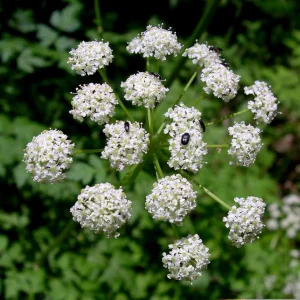
Osha
Osha stimulates circulation and supports the kidneys, lungs, digestive system, and uterus. It has been used both in traditional and Western medicine for immune health, particularly during seasonal challenges. The root can be chewed, consumed as a tea or tincture, burned for its clearing essential oils, or applied as a paste or ointment, depending on the area needing support.
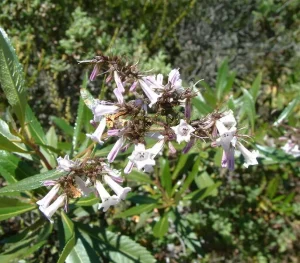
Yerba Santa Leaf
Yerba Santa works primarily as a respiratory tonic, helping to clear mucus, soothe irritated airways, and support overall lung health.
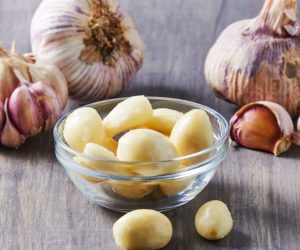
Garlic
Cardiovascular Health: Garlic supports heart health by improving circulation, reducing blood pressure, and lowering LDL cholesterol while increasing HDL cholesterol. Its ability to combat atherosclerosis and improve arterial elasticity is well-documented in both traditional and modern medicine.
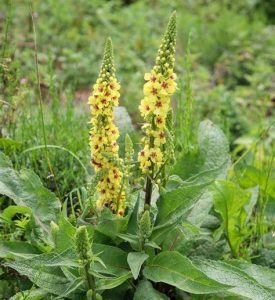
Mullein
Native American traditions utilized mullein as a smoking herb for conditions like asthma and bronchitis. The plant’s association with respiratory health earned it names such as “clown’s lungwort” and “bullock’s lungwort.” Its presence across diverse cultures and traditions speaks to its enduring value as a healing herb.
Thyme
A revered culinary and medicinal herb, thyme has been used since ancient times for its powerful antimicrobial properties and its role in respiratory, digestive, and immune health. The Greeks burned it in temples for purification, and Roman soldiers bathed in thyme-infused water to gain courage. Traditional European herbalists have long used thyme to address coughs, bronchitis, and digestive discomfort, and as a wound-cleansing herb due to its antiseptic nature.
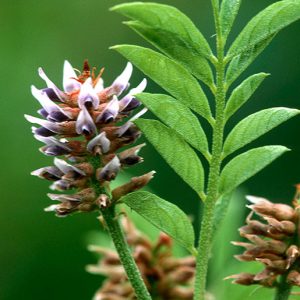
Licorice
In Chinese medicine, Licorice is known for supporting the spleen, stomach, and upright Qi, as well as the sympatho-adrenal system and the hypothalamic-pituitary-adrenal (HPA) axis. It has been used across cultures to nourish and support the lungs, digestive, reproductive, and adrenal systems.
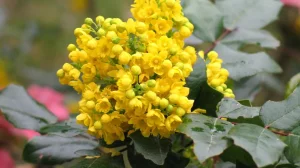
Oregon Grape
Native American tribes, such as the Apache, Nitinaht, Sanspoil, Miwok, and Blackfoot, used the herb (formerly known as Indian barberry) to support bowel health and alleviate occasional digestive issues like gas and bloating, promoting overall digestive and microbiome health.

Echinacea
Echinacea is often misunderstood as an immune tonic or modulator. Instead, it acts as an immune stimulator—best used when your body needs a short-term boost. It shines during times of acute need, helping to activate and support the body’s natural defenses rather than providing long-term immune nourishment.
Lomatium Root
Used by numerous Native American tribes of the Pacific Northwest, Lomatium root—also called “biscuit root”—was a primary remedy for coughs, colds, fevers, and pneumonia. It was eaten as a food-medicine during lean seasons and applied as poultices to wounds and skin infections. Its reputation as a powerful respiratory ally comes from centuries of traditional use in clearing bronchial congestion and supporting rapid resolution of viral illnesses.

Cherry Bark
Cherry Bark helps loosen mucus in the airways, making it easier to expel and clear congestion. Its anti-inflammatory and antispasmodic properties make it particularly helpful for soothing irritated airways and easing coughs. Additionally, Cherry Bark has mild sedative effects, which can help quiet persistent coughs and provide relief from inflammation in the throat.
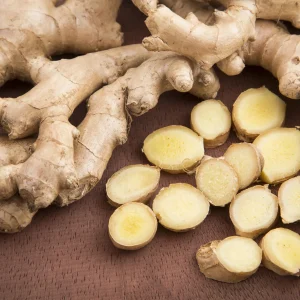
Ginger
Ginger helps “warm the exterior,” promoting perspiration to aid detoxification. It’s prized in TCM for guiding other herbs toward their intended effects, making it a key element in many formulas. Ginger has long been used for digestive discomfort, leading to the creation of popular remedies like ginger ale.
Oregano
Used since ancient times in Mediterranean and Middle Eastern cultures, oregano is both a culinary staple and a powerful herbal remedy. Traditionally, it was brewed as tea for respiratory complaints, rubbed onto the skin to relieve aches, and burned to purify air and drive out infections. Ancient Greeks and Romans considered oregano a symbol of joy and protection, often placing sprigs around homes and in food for digestive and immune support.
Related Products
-
 Capsules
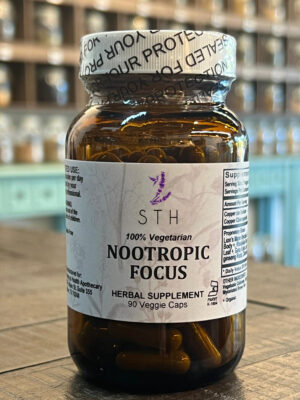
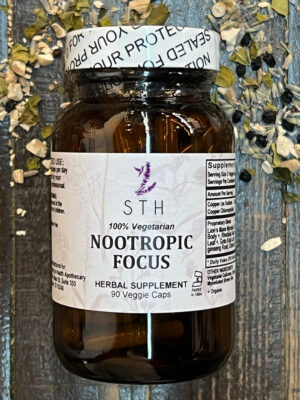
Nootropic Focus
$39.99 Select options This product has multiple variants. The options may be chosen on the product pageA serious daily brain-support capsule for serious cognitive demands. Nootropic Focus combines six time-honored “thinking herbs” — Lion’s Mane Mushroom, Rhodiola Rosea, Ginkgo Biloba, Gotu Kola, American Ginseng, and Chlorophyll — drawn from traditional Chinese, Tibetan, Ayurvedic, and Western herbal lineages. Designed for students, professionals, creatives, and anyone whose day asks a lot of their brain, this is a daily capsule built to support clarity, memory, and focus the way the best herbs do — slowly, steadily, and sustainably.
-
 Capsules
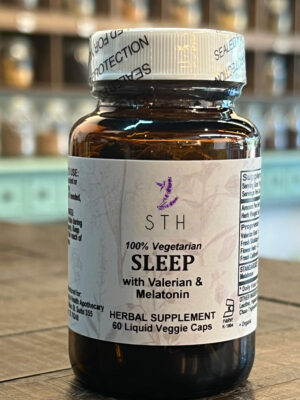
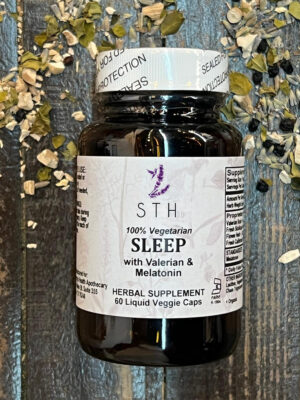
Sleep
$29.99 Select options This product has multiple variants. The options may be chosen on the product pageFor the nights when sleep doesn’t come easy. Sleep with Valerian & Melatonin is a thoughtfully formulated capsule that brings together six of the most cherished evening herbs in folk herbalism — Valerian Root, Hops, Skullcap, Passionflower, Chamomile, and California Poppy — with a measured dose of Melatonin, the body’s natural sleep-regulating hormone. Built for the occasional restless night, busy mind at bedtime, or season of life when your sleep just needs a little more support, this is a steady ally for restorative, restful evenings.
-
 Capsules
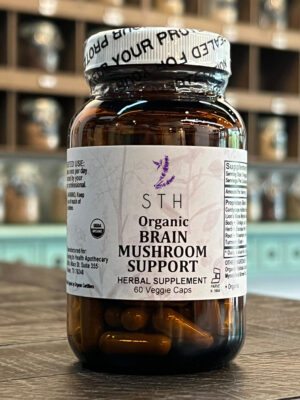
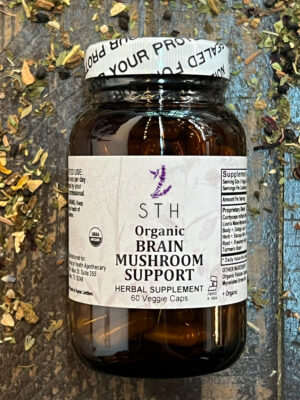
Brain Mushroom Support
$32.00 Select options This product has multiple variants. The options may be chosen on the product pageFor the days your brain needs to show up. Brain Mushroom Support is a thoughtfully crafted nootropic blend that combines two of the world’s most beloved functional mushrooms — Lion’s Mane and Cordyceps militaris — with six time-honored “brain herbs” from traditional Ayurvedic, Chinese, and European herbalism. Designed for students, professionals, creatives, and anyone whose work depends on a clear, focused, resilient mind, this is a daily capsule that gives your brain real plant-based support.
-
 Capsules
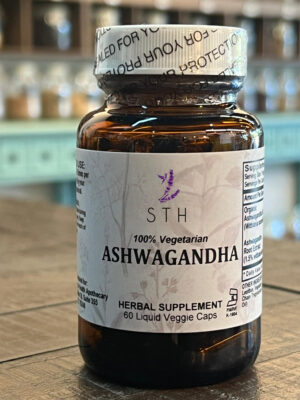
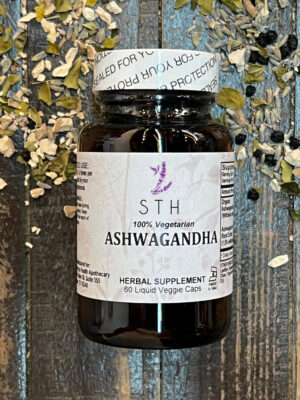
Ashwagandha Liquid Capsules
$32.00 Select options This product has multiple variants. The options may be chosen on the product pageSometimes called the “Ayurvedic Ginseng,” Ashwagandha is one of the most cherished adaptogens in the world — used in traditional Indian herbalism for over 3,000 years. Our liquid-extract capsules deliver a concentrated dose of this beloved root in a convenient daily form, designed for anyone working with the chronic stress of modern life, low daily energy, or the simple need to feel a little more like themselves. One small capsule, one big tradition.
1 review for Congest Eeze
There are no reviews yet.