
STH Organics

FREE USA SHIPPING ON ORDERS $99+ 

Fall Wellness, Family Wellness

Fall Back Gently: A Cozy Routine to Adjust to the Time Change

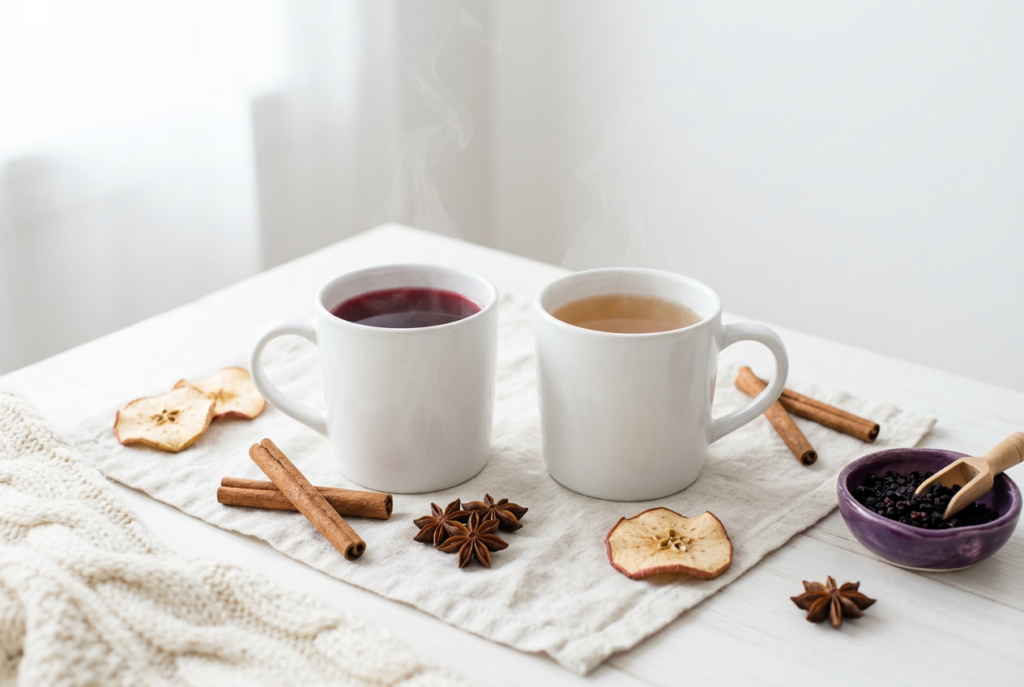
Fall Back Gently: A Cozy Routine to Adjust to the Time Change   The clocks fall back this Sunday, and an hour of evening light goes with them. If you have ever struggled to adjust to the time change — groggy mornings, a heavy 3 p.m. slump, evenings that feel over before dinner — you are not imagining it. On Sunday, the sun in Keller sets at about 5:37 p.m. By December 3 it will set at about 5:22, the earliest of the year. That is a lot of dark, and it arrives fast. The good news: a few small, cozy rituals can help your days feel steady again. Below you will find our simple morning-to-evening routine, a gentle 7-day plan for the first week after the change, and the teas and classes we recommend at the apothecary when the evenings draw in. When does daylight saving time end in 2026? At 2:00 a.m. on Sunday, November 1, 2026, clocks fall back one hour to 1:00 a.m. You gain an hour of sleep on Saturday night, but sunset in Keller jumps from about 6:38 p.m. on Saturday to 5:37 p.m. on Sunday. Why one hour can feel like so much more Your body runs on an internal clock that takes its main cues from light and dark (CDC/NIOSH). When the clocks change, your schedule moves overnight, but your body clock catches up more slowly. For a few days you may wake earlier than usual and feel sleepy before your evening is done. Add the shorter days — less daylight to anchor you, more hours of lamplight — and it is easy to feel out of rhythm. That is why the routine below is built on three simple ideas: get bright light early, keep caffeine early, and make the dark hours soft and slow. Your fall-back day at a glance When Ritual Your helper Within an hour of waking Step outside for 10–15 minutes of daylight Your porch and a warm mug Breakfast A gentle, warming cup Apple Spice Tea By early afternoon Last caffeine; switch to caffeine-free Elderberry ImmuniTea or Texas Shield Tea Around 3 p.m. Meet the slump Energy Spark Syrup and a short walk in the light Sunset, about 5:35 p.m. Lamps on, screens down, slow dinner A candle and soft music 30–60 min before bed Wind down Goodnight Moon Tea and Magnesium Oil Spray Once a week Reset with others Yoga Mondays or a Tuesday sound bath The routine, from sunrise to bedtime Morning: catch the light, then put the kettle on Morning light is the most useful signal you can give your body after the clocks change. Within an hour of waking, step outside for 10 to 15 minutes — onto the porch, around the block, or just to the end of the driveway. Even on a cloudy Texas morning, outdoor light is far brighter than anything indoors. Then make it a ritual worth waking up for. Our Apple Spice Tea is built on White Peony, a delicate white tea that is naturally lower in caffeine than green or black tea. We blend it with mineral-rich nettle, lemon balm, apples, pears and cinnamon. It is a gentle, cozy lift: an orchard in October, in a mug. How to brew: 1 tablespoon per 8 oz of water at 180°F, steeped 3–5 minutes. Tip: take your mug outside and you have two rituals in one. For a brighter start: stir a spoonful of Fire Cider Tonic into warm water with honey and lemon. Midday: move your caffeine cut-off earlier When the afternoons feel heavy, it is tempting to reach for another coffee. But caffeine late in the day can make it harder to wind down in the evening. Try making early afternoon your last caffeinated cup, then switch to something caffeine-free you will actually look forward to. Our ruby-red Elderberry ImmuniTea is naturally sweet and tangy, with elderberries, rosehips and hibiscus. It is a cheerful afternoon cup, hot or iced. Prefer earthy and bright? The Texas Shield Tea blends holy basil, ginger, orange peel and peppermint, and is just as good iced on one of those warm November afternoons. Afternoon: meet the 3 p.m. slump If the dark evenings leave your afternoons feeling heavy, try two things. First, get a few minutes of daylight while you still can: a short walk before 4 p.m. Second, keep Energy Spark Syrup at your desk. It is a caffeine-free, alcohol-free herbal syrup of ginger root, American ginseng, schisandra, ginkgo and rhodiola — adaptogens traditionally used to support steady energy, focus and the body’s response to everyday stress. Like most adaptogens, it works best taken consistently over several weeks, so the start of the dark season is a good time to begin. How to take it: ½ teaspoon, up to three times a day, straight or stirred into hot water or your afternoon tea. Good to know: not recommended during pregnancy or breastfeeding. Sunset: make dusk cozy, not gloomy With sunset around 5:35 p.m., the evening suddenly feels very long. Instead of fighting it, lean in. Switch on lamps instead of overhead lights, light a candle as the sun goes down, and let dinner be a slower, warmer affair. Our guide to intention candles has a simple five-minute ritual to mark the end of the day. Soft, dim light in the evening is a natural cue that the day is winding down — the opposite of a bright phone screen. Try leaving your phone in another room for the first hour after dinner. Evening: an earlier, gentler wind-down In the first week after the change, your body may feel ready for bed an hour earlier than the clock says. Rather than pushing through, start winding down a little earlier. Our Goodnight Moon Tea is a caffeine-free blend of chamomile, lavender, skullcap and passionflower — herbs traditionally used to help a busy mind settle at the end of the day. It is honey-soft and gently floral. Sip it 30 to 60 minutes
Fall Wellness, Family Wellness

Warming Fall Teas and Tonics for Cooler Texas Evenings

There’s a moment every fall in North Texas when it finally happens. A cool front rolls through overnight. The porch is suddenly the best seat in the house. And you reach for a sweater you haven’t touched since March. That’s when the kettle comes back out — and when warming fall teas take over the tea bar at our apothecary in Keller. Below, we’ve paired five of our favorite blends with five moments of a fall day, from your first sip in the morning to your last one before bed. You’ll also find a spoonful of fire for brisk mornings, a caffeine-free syrup for shorter days, the brewing tips that make every cup taste better, and — at the very end — a five-ingredient mulled cider that will make your whole house smell like autumn. Let’s put the kettle on. Your fall day in five cups Short on time? Here’s the whole idea at a glance. When Your cup Why it fits Caffeine Morning Apple Spice Tea A gentle lift that tastes like an orchard in October A little Midday The Texas Shield Tea Made for our quick-changing Texas seasons None Afternoon Elderberry ImmuniTea Ruby red, tangy and naturally sweet None After dinner Gut Support Tea Warming spices for after a hearty meal None Bedtime Goodnight Moon Tea A soft, floral way to wind down None Why some teas feel warmer than others Herbalists have described plants by how they feel in the body for centuries — warming or cooling, drying or moistening. Ginger, cinnamon, cloves, cardamom and star anise sit firmly on the warming side. You notice it as a gentle heat that spreads from the first sip. As the air turns crisp, these are the plants many traditions reach for. And part of the magic has nothing to do with herbs at all: wrapping both hands around a warm mug is one of the simplest ways we know to slow a busy day down. 5 warming fall teas for every part of your day 1. Morning: Apple Spice Tea If you love fall flavors but not a heavy, sugary latte, start your day here. Apple Spice Tea is built on White Peony (Bai Mudan), a delicate white tea that’s naturally lower in caffeine than green or black tea. You get a smooth, gentle lift without the coffee jitters. We blend it with mineral-rich nettle leaf, lemon balm (long called the “gladdening herb”), dried apples, pears and cinnamon. It tastes like a walk through an orchard in October. Why we love it: may help support steady, focused energy, with antioxidants from white tea and minerals like iron and magnesium from nettle. How to brew: 1 tablespoon per 8 oz of water at 180°F, steeped 3–5 minutes. Tip: boiling water makes white tea taste bitter. Let the kettle rest for about a minute before you pour. 2. Midday: The Texas Shield Tea Texas doesn’t do fall the way the rest of the country does. Ours arrives in bursts — a cool front on Tuesday, 85 degrees again by Friday. The Texas Shield Tea was made with our in-between seasons in mind. It brings together seven herbs: nettle leaf, goldenrod, holy basil (tulsi), ginger, orange peel, peppermint and plantain leaf. Ginger warms while peppermint cools, and orange peel adds a bright citrus finish. The result is earthy, refreshing and easy to drink every day. Why we love it: holy basil is traditionally used in Ayurveda to support the body’s response to everyday stress, and plantain leaf is a soothing herb long used for throat comfort. How to brew: 1 tablespoon per 8 oz of freshly boiled water, steeped 5–10 minutes. Tip: on one of those warm October afternoons, brew it double strength and pour it over ice. 3. Afternoon: Elderberry ImmuniTea This is the cup that turns heads. Pour it and it glows a deep ruby red. Elderberry ImmuniTea is naturally sweet and caffeine-free, with a tangy hibiscus zip. Inside are five ingredients: elderberries, traditionally used around seasonal changes and travel; echinacea, a classic herb for short-term seasonal support; rosehips, a natural source of vitamin C; hibiscus, for antioxidants and that gorgeous color; and stevia leaf, for sweetness without sugar. Why we love it: a delicious daily ritual that may help support healthy immune function as the seasons change. How to brew: 1 tablespoon per 8 oz of freshly boiled water, steeped 5–10 minutes. Tip: hold onto this one. It’s the secret behind the recipe at the end of this post. 4. After dinner: Gut Support Tea Fall is the season of comfort food: chili nights, pot roast, pie — and before long, Thanksgiving. Gut Support Tea starts with three soothing herbs, marshmallow root, marshmallow leaf and plantain leaf, traditionally used to support a calm, comfortable digestive tract. On top, we layer the warming spices that cultures from India to Persia to the Mediterranean have served after meals for generations: cinnamon, cardamom, star anise and cloves, finished with rose petals. It’s naturally sweet, lightly spiced and floral, with no “medicinal” taste at all. Why we love it: a warm, after-dinner ritual for digestive comfort, especially after a rich meal. How to brew: 1 tablespoon per 8 oz of freshly boiled water, steeped 5–10 minutes. Sip it 20–30 minutes after dinner. Tip: hosting Thanksgiving? Brew a big pot and set it out next to the pie.   5. Bedtime: Goodnight Moon Tea Longer nights are one of fall’s quiet gifts. This is how we like to spend them. Goodnight Moon Tea is a caffeine-free blend of four evening herbs. Skullcap and passionflower are traditional nervine herbs, long used to help a busy mind settle after a full day. Chamomile and lavender make the cup honey-soft and gently floral. The real secret is consistency. Make it the same cup, at the same time, 30–60 minutes before bed — with a book, a warm bath or a few lines in a journal — and it becomes a signal that the day is done.

Family Wellness, Natural Remedies

Fire Cider Tonic: A Little Fire for Your Everyday Wellness Ritual

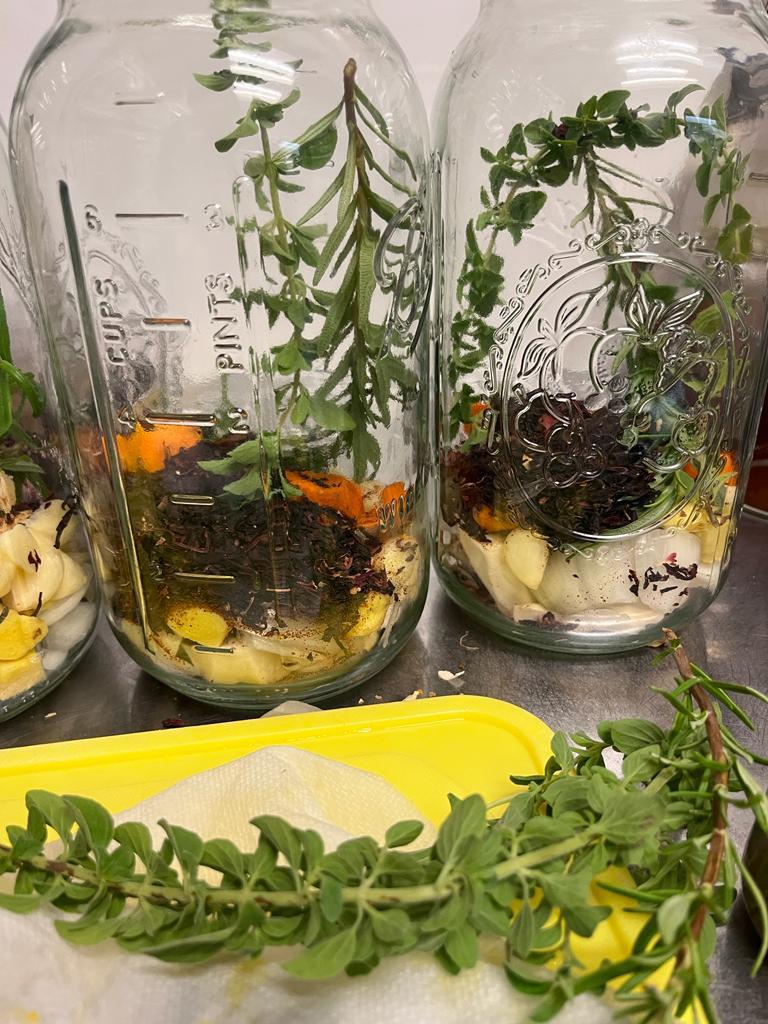
Sharp. Spicy. Warming. Alive. Some herbal remedies are gentle and subtle. Fire cider is not one of them. The moment you taste it, you know exactly why it earned its name. There is the tang of vinegar, the heat of peppers, the bite of ginger and horseradish, and the unmistakable pungency of garlic and onion. It wakes up your palate—and has become a beloved staple in the world of traditional herbal wellness. But fire cider isn’t simply about the heat. Behind that fiery flavor is a centuries-old appreciation for pungent roots, aromatic herbs, warming spices, and everyday kitchen ingredients. Today, fire cider has found a new generation of fans who enjoy it as part of their seasonal and everyday wellness rituals. So what exactly is fire cider—and why are so many people reaching for this fiery tonic? What Exactly Is Fire Cider? At its heart, fire cider is a vinegar-based herbal infusion. Traditional recipes combine apple cider vinegar with ingredients such as ginger, garlic, onion, horseradish, hot peppers, turmeric, citrus, herbs, and spices. The ingredients are allowed to infuse, creating a pungent tonic with a flavor that is equal parts fiery, tangy, earthy, and invigorating. There isn’t one single recipe for fire cider. That’s part of its charm. Herbalists and families have created their own versions for generations, changing the ingredients depending on tradition, season, and personal preference. The result is less like a conventional supplement and more like a living herbal kitchen tradition. Why Is It Called “Fire” Cider? Taste it and the answer becomes obvious. Fire cider brings together ingredients traditionally associated with warmth and pungency. Ginger and hot peppers bring heat. Horseradish adds a sharp, sinus-clearing sensation. Garlic and onion contribute their unmistakable savory bite, while apple cider vinegar provides the acidic tang that ties everything together. It’s the kind of flavor that makes you pause after the first sip. Not because it’s unpleasant. Because it’s powerful. That bold character is precisely what makes fire cider different from many other herbal tonics. The Ingredients Tell the Story A good fire cider is really a gathering of familiar plants with long histories in food and traditional herbalism. Ginger: The Warming Root Ginger has been valued across many traditional healing systems for generations. Its warm, spicy character makes it a natural fit for fire cider, and modern research has also explored ginger for digestive comfort and nausea. In fire cider, ginger contributes more than flavor—it gives the tonic some of its unmistakable warmth. Garlic: Small Bulb, Big Personality Few ingredients announce themselves quite like garlic. Traditionally valued for its pungent qualities, garlic contains sulfur-containing compounds that have attracted considerable scientific interest. And in fire cider? It brings depth, savory character, and plenty of attitude.  Horseradish: The Wake-Up Call If fire cider had an ingredient capable of grabbing your attention, horseradish would be it. Its sharp, pungent flavor is one of the characteristics traditionally associated with fire cider. Just a little can transform an ordinary vinegar infusion into something remarkably lively.  Hot Peppers: Turn Up the Heat Capsaicin—the compound responsible for the characteristic heat of chili peppers—is what gives many fire cider preparations their fiery kick. The amount of heat can vary dramatically depending on the recipe, but a little pepper can make a big difference. Turmeric: Golden and Earthy Turmeric adds a beautiful golden hue along with an earthy, slightly bitter flavor. Its naturally occurring compound curcumin has been extensively studied for its antioxidant and other biological properties, making turmeric a popular ingredient in modern herbal wellness. Fire Cider and Seasonal Wellness Fire cider is especially popular when the seasons begin to change. Think crisp mornings, shorter days, chilly evenings, and the return of warming soups and stews. This is when many people naturally gravitate toward ginger tea, herbal broths, warming spices—and fiery tonics. Fire cider fits beautifully into that ritual. It isn’t magic in a bottle, and it shouldn’t be treated as a cure for illness. There isn’t enough clinical evidence to claim that fire cider prevents colds or flu. Instead, think of it as a traditional herbal preparation that can complement a healthy lifestyle. A small ritual. A warming addition to your day. A reminder to slow down and take care of yourself. What About Digestion? Here’s where fire cider gets particularly interesting. Its traditional ingredients are predominantly pungent and aromatic—qualities that have historically been associated with digestion. Ginger has been studied for its role in nausea and digestive comfort, while vinegar and aromatic spices have long been incorporated into meals around the world. That doesn’t mean fire cider is a treatment for digestive problems. Rather, its ingredients make it an interesting addition to a food-centered approach to everyday digestive wellness. And there’s something wonderfully old-fashioned about that idea: Sometimes wellness starts in the kitchen. How Do You Actually Take Fire Cider? You don’t need an elaborate ritual. That’s one of the reasons fire cider has become so popular. Take It Straight If you love bold flavors, you can enjoy fire cider as a traditional tonic according to the serving instructions on the bottle. A small amount goes a long way. Dilute It Prefer something gentler? Mix your fire cider with water. You can enjoy it chilled or experiment with how you like it best. Make It Part of Your Meals This might be our favorite way to use it. Fire cider can bring a delicious punch of acidity and spice to everyday food. Try it in: Homemade salad dressings Marinades Grain bowls Roasted vegetables Soups Sauces Savory dips A drizzle can transform an ordinary meal into something much more interesting. A Fire Cider Salad Dressing Worth Trying Want an easy place to start? Whisk together: 1 tablespoon fire cider 2 tablespoons extra-virgin olive oil 1 teaspoon honey ½ teaspoon Dijon mustard A pinch of salt Drizzle over greens, roasted vegetables, or a grain bowl. The vinegar brings brightness, the honey softens the acidity, and the fire cider adds just enough heat to keep things interesting.

Family Wellness, Home Health Toolkit, Hormone Balance, Hormone Health, Menopause, Mood and Emotional Wellness, Natural Remedies, Uncategorized, Women's Health, Women’s Health Menopause Support PMS Relief Stress Support Mood & Emotional Wellness Natural Remedies Herbal Juices Sleep & Relaxation Postpartum Recovery

Vital Herbs for Hormonal Health: A Simple Guide to Choosing (and Brewing) Them

Hormonal shifts can show up as PMS discomfort, irregular cycles, low energy, mood changes, or the hot flashes and sleep disruption of perimenopause. The good news: a few well-loved botanicals—used traditionally across cultures—can be supportive allies. Black cohosh, dong quai, red clover, stinging nettle, wild yam, shatavari, raspberry leaf, and chaste tree (vitex) are often chosen for their gentle role in menstrual and menopausal support, daily nourishment, and cycle rhythm. One key detail makes all the difference: how you take them matters as much as which herb you choose. A simple rule: roots need simmering, leaves need steeping. For root herbs like black cohosh, dong quai, wild yam, and shatavari, use a decoction (gently simmer) to draw out their deeper compounds—or choose tinctures/capsules for an easy routine. For leafy herbs like stinging nettle and raspberry leaf, try a long infusion (steep 15–30 minutes) to capture minerals and supportive plant compounds. With vitex, consistency is key—often taken daily for several weeks for cycle support. As always, choose quality sourcing and check with a professional if you’re pregnant, breastfeeding, on medications, or managing hormone-sensitive conditions.

Family Wellness, Mood and Emotional Wellness

Valentine’s Day Wellness Rituals: Love, Calm & Connection the Natural Way

Valentine’s Day isn’t only about grand gestures — it’s about intentional moments of rest, warmth, and emotional connection. The soft glow of a candle, the scent of rose in the air, or a beautifully prepared herbal blend can gently shift the mood from rushed to relaxed. When we slow down and create a calm space, we allow love — for a partner or for ourselves — to feel natural rather than forced. Simple sensory rituals make all the difference. A hand-poured candle, a calming incense, or a diffuser with rose and sandalwood essential oils can instantly soften a room and quiet the mind. These small touches encourage presence, deepen intimacy, and bring emotional balance — turning an ordinary evening into a meaningful Valentine’s wellness experience at home. For a tender herbal element, a warm romance tea or a soothing rose-infused bath soak can become the highlight of the night. Floral botanicals like rose, chamomile, and gentle spices invite relaxation, self-care, and mindful connection. Whether shared with someone special or enjoyed solo, these rituals remind us that care can be simple yet deeply nurturing. At its heart, Valentine’s Day is about feeling loved and creating harmony. Intentional gifts, herbal blends, candles, and aromatherapy are not just products — they are tools for emotional well-being, calm energy, and lasting connection. When we choose warmth, softness, and presence, we carry that peace far beyond one day and into everyday life.

Stress Support

Ashwagandha: Ancient Root, Modern Calm — A Simple Guide to Benefits, Uses, and Getting the Most From It

In a world that rarely slows down, many of us are searching for natural ways to feel calmer, sleep better, and stay energized without relying on harsh stimulants. One herb that keeps resurfacing — both in ancient texts and modern wellness routines — is Ashwagandha. Often called the “strength of the stallion” in traditional Sanskrit, Ashwagandha has been used for thousands of years. Today, it is one of the most researched adaptogenic herbs in the world, known for supporting stress balance, energy, and overall well-being. Let’s explore what it is, why it matters historically, and how you can realistically include it in everyday life. What Is Ashwagandha? Ashwagandha (Withania somnifera) is a small shrub native to India, the Middle East, and parts of Africa. Its root is the most commonly used part, and it has a long-standing place in Ayurvedic herbal medicine, where it was traditionally used to: Support resilience to stress Improve vitality and stamina Encourage restful sleep Strengthen the body during recovery The word somnifera even translates to “sleep-inducing,” hinting at one of its most recognized effects. Ashwagandha in History Historically, Ashwagandha was not just a “stress herb.” It was considered a rejuvenating tonic — something taken over time to build endurance, sharpen focus, and support longevity. Warriors, scholars, and elders alike used it in different ways: For physical strength: Mixed with milk or ghee to support stamina. For mental clarity: Taken in small daily doses to aid concentration. For recovery: Used during times of fatigue or illness to restore energy. In ancient systems, herbs were not quick fixes — they were companions to a balanced lifestyle. Modern Benefits of Ashwagandha Today, Ashwagandha is often referred to as an adaptogen. Adaptogens are herbs that help the body adapt to physical, emotional, and environmental stressors. Instead of pushing the body in one direction, they help bring balance. Common Modern Uses Stress and Anxiety Support Many people use Ashwagandha to feel calmer during busy or demanding periods. It is often taken in the evening or during high-stress seasons. Better Sleep Quality It may help quiet a racing mind and support deeper rest, especially for those whose sleep issues are linked to stress. Energy Without Jitters Unlike caffeine, Ashwagandha does not overstimulate. Instead, it may support steady, sustainable energy. Focus and Mental Clarity Students, professionals, and creatives often turn to Ashwagandha to help maintain concentration. Physical Endurance and Recovery It is commonly included in fitness routines to support muscle recovery and resilience. How Ashwagandha Fits Into Daily Life Ashwagandha is not meant to be taken once and expected to work instantly. Its strength lies in consistent, gentle use over time. Common Forms Tinctures: Fast-absorbing liquid extracts. Capsules or Powders: Convenient for routine supplementation. Teas or Lattes: A cozy, ritual-style approach. Herbal Blends: Combined with calming or energizing herbs depending on the goal. How to Get Maximum Benefits From Ashwagandha Using Ashwagandha effectively is less about quantity and more about quality and consistency. Choose High-Quality Sources Look for organically grown or ethically sourced Ashwagandha from reputable herbal shops or apothecaries. Quality matters more than brand hype. Be Consistent Most people notice benefits after 2–6 weeks of regular use. Think of it as building a foundation, not flipping a switch. Pair With Lifestyle Habits Ashwagandha works best when supported by: Regular sleep routines Balanced nutrition Movement or gentle exercise Stress-reducing practices like breathwork or meditation Timing Matters For stress or sleep: Evening use is often preferred. For energy or focus: Morning or midday works well. Start Small Begin with a modest dose and observe how your body responds. Herbs are personal — what works for one person may differ slightly for another. Who Should Be Cautious? While Ashwagandha is widely used, it is not for everyone. Those who are pregnant, breastfeeding, taking thyroid medication, or managing medical conditions should consult a qualified practitioner before starting. Why Ashwagandha Continues to Grow in Popularity We live in a time of constant notifications, deadlines, and overstimulation. Ashwagandha stands out because it does not promise instant transformation — it offers steady support. It bridges ancient herbal wisdom with modern science, making it relevant for today’s lifestyle without losing its roots in tradition. A Simple Way to Think About Ashwagandha Ashwagandha is less like a “boost” and more like a buffer — a gentle support system that helps you navigate daily pressures with a little more calm, clarity, and stamina. When used mindfully, paired with healthy habits, and chosen from quality sources, it can become a valuable ally in building a balanced lifestyle. Ashwagandha is not a miracle cure, but it is a powerful companion herb. Its true strength lies in consistency, quality, and integration into a holistic routine. Whether you are seeking calmer days, deeper sleep, or steady energy, this ancient root continues to prove its place in modern wellness. By approaching it with intention rather than urgency, you allow its benefits to unfold naturally — just as they have for centuries.

Uncategorized

Herbal Hair Serum: Stronger, Shinier, Happier Hair—Naturally

Why this serum? If your hair feels dry, breaks easily, or just won’t shine—meet our Herbal Hair Serum. It’s non-toxic, handmade, and preservative-free, crafted for real results without harsh additives. The formula is lightweight enough for daily shine, yet rich enough to reduce breakage, support growth, and restore moisture. Star ingredients (and why they work) Rosemary (infused + essential oil): Encourages a happy scalp environment and helps revitalize dull lengths. Horsetail: A classic herbal ally prized for its mineral content—think stronger-feeling strands over time. Unrefined Argan Oil: Feather-light nourishment for shine, softness, and frizz control without greasiness. Castor Oil: Rich and occlusive—perfect for sealing in hydration and supporting thicker-looking hair. Clean formula commitment: non-toxic, handmade, preservative-free—just plants and premium oils, blended with intention. What you’ll notice Less breakage & fewer flyaways: Ends feel smoother; mid-lengths tug and snag less. More shine, more softness: Hair looks glossy without feeling heavy. Scalp care that feels good: A few drops massaged in can make your scalp feel refreshed and balanced. How to use (by hair goal) For daily shine / frizz control Warm 1–3 drops between palms; smooth over dry or slightly damp hair, focusing on ends. Fine hair: start with 1 drop. Thick/curly: 3–5 drops as needed. For breakage & length retention After washing, apply 2–6 drops to damp ends; braid or twist loosely. Use a silk/satin pillowcase or bonnet to reduce friction overnight. For scalp support / growth routine Part hair; place 1–2 drops per section on scalp. Massage gently for 2–3 minutes (pads of fingers). Leave in (light routine) or pre-wash: apply 20–60 minutes before shampoo. Curly & coily hair Use as a sealing step over leave-in or cream (LCO/LOC). Scrunch a pea-size amount through ends to reduce halo frizz. Who it’s for Dry, frizzy, or damaged hair that needs moisture and smoothness. Fine to thick textures (just adjust the number of drops). Color-treated or heat-styled hair looking for extra shine and protection. Sensitive scalps seeking a clean, plant-forward formula. Pre-wash: 6–10 drops on scalp + ends. Massage: 2–3 minutes to boost circulation. Shampoo + condition as usual. Finish: 1–2 drops on towel-damp ends for extra slip and shine. FAQs Will it make my hair greasy?Not when used sparingly. Start with 1–2 drops, then build as your hair “drinks” it. Can I use it with heat styling?Yes—apply a small amount to damp ends before blow-drying, then a micro-drop after styling to polish. Is it safe for my scalp?It’s a gentle, non-toxic blend. As with any new product, do a patch test and discontinue if irritation occurs. How long until I see results?Shine and frizz control are immediate; breakage and strength improve with consistent use over several weeks. Why handmade matters Small-batch, handmade production allows us to choose unrefined oils, fresh herbal infusions, and minimal processing. That means more of the natural goodness makes it into your bottle—and onto your hair. No fillers, no mystery ingredients. Ready to revitalize your routine? Give your hair a clean, plant-powered upgrade. Our Herbal Hair Serum is designed to reduce breakage, boost growth, and restore moisture—with glossy, touchable results. Shop now: Herbal Hair Serum (in-store & online at Spring to Health)Pair it with: Calming Herbal Shampoo Bar (gentle cleanse) and Nourish & Shine Hair Tea Rinse (extra gloss on wash day). Editor & accessibility notes (optional) ALT text suggestion for product image: “Amber dropper bottle labeled Herbal Hair Serum beside rosemary and argan.” Internal links: Link “Herbal Hair Serum” to your product page; link any companion products mentioned. Schema: Use Product schema on the product page; this blog can use Article schema. Kind note: This content is educational and does not replace professional medical advice. If you have scalp conditions or allergies, consult your clinician.

Uncategorized

Beginner’s Guide to Breathwork: Start Here, Breathe Easier.

What is breathwork? Breathwork is a set of simple, guided breathing techniques that help your body shift from stress mode to rest-and-repair. Think of it as a nervous system reset you can access anywhere—no special gear required. In our sessions we pair steady breathing with music and mindful awareness to support calm, clarity, and grounded energy. Breathwork benefits (beginner-friendly) Stress relief & mood support: Slower exhales cue the vagus nerve, easing the “fight or flight” response. Better sleep & focus: A calmer nervous system can make it easier to fall asleep and stay present during the day. Body awareness: Gentle breath rhythms help you notice tension, soften it, and reconnect with your baseline calm. Looking for a deeper experience? Explore our Transformative Breathwork class—guided, supportive, and suitable for first-timers. What to expect in a class? You’ll arrive to a quiet, welcoming space. Your guide will explain the technique, set intentions, and play chakra-attuned music to support a calm rhythm. You’ll be invited to journal or create a small piece of art afterward—simple integration that helps insights “stick.” Safety first: Breathwork is gentle, but it’s still a somatic practice. If you’re pregnant, have uncontrolled high/low blood pressure, glaucoma, serious cardiovascular or respiratory conditions, a history of seizures, or significant psychiatric concerns, please consult your clinician first and let your facilitator know. You’re always in charge—slower, softer, shorter is a perfectly valid way to practice. A 5-minute starter you can try today Time: 5 minutes Where: Chair or couch Goal: Nervous system reset Posture: Sit tall, feet grounded, jaw unclenched. Box breath (1 minute): • Inhale 4 • hold 4 • exhale 4 • hold 4 (repeat) Extended exhale (3 minutes): • Inhale 4 • Exhale 6–8. Keep the shoulders soft. Settle (1 minute): Breathe naturally. Notice one word that describes how you feel. Tip: If you feel light-headed, pause and return to normal breathing. Comfort over intensity—always. Pairing breathwork with herbs (calm, clear, steady) Herbs won’t “do the breathing” for you, but they can support the terrain—especially when you’re learning. We love starting with calming nervines and gentle adaptogens: Lemon balm or linden tea (pre-session): takes the edge off without drowsiness. Tulsi (holy basil) tea (daytime clarity): uplift + calm for focus breathing. Chamomile or passionflower (evening wind-down): pairs beautifully with extended-exhale drills. Explore our calming teas at the apothecary, or ask during class for a simple, personalized suggestion. FAQs How often should I practice?3–5 minutes daily beats one long session once a week. Stack it to something you already do (after brushing teeth, before opening email). Will I feel anything right away?Many beginners notice softer breath and less tension within minutes. Some benefits—like sleep support—emerge over a few days of consistent practice. Can I just do the 5-minute version?Absolutely. Short and consistent builds the skill—and your nervous system thanks you for it. Join us! Ready for guided support? Our Transformative Breathwork class blends breath, music, and a safe, reflective space so you can experience a deeper reset. Pair your session with a calming tea from our apothecary to keep the ease going.

Uncategorized

Ritual Aromatics: Intention Candles, Sage, Incense, Myrrh & Frankincense

Table of Contents What Each Tool Is (in plain language) Quick Picker: Which One Do I Use Today? How to Use Them (step-by-step) Intention Candles Sage (and respectful alternatives) Incense: sticks, cones & loose Burning Resins: Myrrh & Frankincense Myrrh vs. Frankincense: What’s the Difference? Smoke-Free Options (for apartments & sensitive lungs) Safety, Ventilation & Pet Notes Cultural Sensitivity & Ethical Sourcing Starter Kits & Pairings Troubleshooting & FAQs 1) What Each Tool Is (in plain language) Intention candles: A candle you dedicate to a specific goal (clarity, protection, abundance). You “dress” it with a few drops of oil or herbs, then burn safely while focusing on your intention. Sage: Traditionally used by various cultures for purification. Today, people use bundles or loose leaves to refresh a space. (Note: See ethical sourcing below; consider garden sage/rosemary/juniper as alternatives.) Incense: Aromatic plant material burned for scent and mood. Comes as sticks, cones, or loose blends. Myrrh resin: Ancient aromatic tree resin with a warm, earthy, balsamic scent. Often used for grounding and deeper reflection. Frankincense resin: Tree resin with a bright, pine-citrus, slightly lemony profile—uplifting and clarifying. 2) Quick Picker: Which One Do I Use Today? Goal / Situation Best Pick Why Smoke Level Setup Difficulty Cost (per session) Focus on a goal, journal, manifest Intention candle Visual anchor for focus Low–Med Easy Low Refresh a room after guests or a deep clean Sage or herbal alternative “New air” feeling Med Easy–Med Low Daily mood lift while working Incense stick Simple & quick Low–Med Easy Low Evening wind-down, meditation Incense cone Richer aroma, shorter burn Med Easy Low Ceremony, deep grounding Myrrh resin Earthy, contemplative Med–High Medium Low–Med Clarity, prayerful vibe Frankincense resin Bright, uplifting Med–High Medium Low–Med Smoke-sensitive home Room mist / diffuser / wax melt Scent, no smoke None Easy Low–Med 3) How to Use Them (step-by-step) A) Intention Candles You’ll need: Unscented or lightly scented candle (tea light or pillar), candle holder, optional oil/herbs, lighter/matches. Set the intention. One sentence is enough: “I invite steady focus for my research today.” Dress (optional). Add a tiny drop of oil on the surface; sprinkle a pinch of herb if you’re confident in safe burning. (Avoid large herbs; never leave unattended.) Light mindfully. Take 3 slow breaths, visualize the outcome. Burn safely. Keep away from drafts, pets, and curtains. Close the ritual. Snuff (don’t blow) if you like; journal one line about how you feel. Tip: Color correspondences many people use—white (clarity), green (growth), blue (calm), yellow (creativity). B) Sage (and respectful alternatives) You’ll need: Sage bundle or garden sage/rosemary/lavender/juniper, a fire-safe bowl/abalone shell, lighter, and optional sand. Ventilate. Crack a window for airflow. Light and let smolder. Briefly ignite, then gently wave to reduce open flame to embers. Walk clockwise around the room, fanning smoke lightly into corners. Set a simple phrase, e.g., “I release stale energy; I welcome clarity.” Extinguish safely in sand or press the lit end into a fire-safe bowl until fully out. Helpful alternative: A small bundle of rosemary or garden sage is effective, accessible, and often more sustainable. C) Incense (sticks, cones & loose) Sticks: Place the stick in a holder on a stable, heat-resistant surface. Light, let flame catch, then blow out to smolder. Burn 15–45 minutes; ventilate lightly. Cones: Place cone on a heat-safe holder (or backflow burner if designed for it). Light the tip, then extinguish the flame to smolder. Cones burn shorter, giving a richer scent in less time. Loose blends: Use a charcoal disc on a bed of sand in a heat-safe burner. Light the charcoal until it sparks; wait 1–2 minutes. Sprinkle a pinch of loose incense; add more as needed. D) Burning Resins: Myrrh & Frankincense You’ll need: Resin tears, quick-light charcoal disc, tongs, heat-safe burner, sand. Prepare safely. Add 1–2 cm of sand to your burner. Light charcoal with tongs until it crackles; place it on the sand. Wait until a light gray ash forms on the charcoal. Add a tiny piece of resin (pea-sized). A little goes a long way. Ventilate gently; enjoy 10–20 minutes. Let cool fully (charcoal stays hot for 30–60+ minutes). Dispose of ash when cold. Pro tip: Layer frankincense first (bright opening), then a touch of myrrh (deepens and sweetens). 4) Myrrh vs. Frankincense: What’s the Difference? Resin Aroma Profile Mood/Use People Commonly Report Pairing Ideas Myrrh Warm, balsamic, slightly smoky-sweet Grounding, introspective, “evening” Myrrh + sandalwood; myrrh + rose Frankincense Bright, citrus-pine, lemony Clarifying, uplifting, “morning” Frankincense + lavender; frankincense + cedar (Fragrance impressions are subjective; enjoy experimenting.) 5) Smoke-Free Options (apartment- & asthma-friendly) Room mists (hydrosols or water-based sprays) Essential oil diffusers (3–6 drops, 30–60-minute sessions) Wax melts (no open flame) Unscented intention candle + affirmation (ritual without heavy scent) 6) Safety, Ventilation & Pet Notes Never leave flame or embers unattended. Use stable, heat-proof holders; keep away from fabrics. Ventilate lightly; avoid heavy smoke buildup. Keep products away from children and pets; some essential oils and smoke can bother animals. Avoid direct inhalation of smoke; if you’re sensitive, choose smoke-free options. Pregnant individuals and those with respiratory conditions should consult a professional before using aromatic products. 7) Cultural Sensitivity & Ethical Sourcing Some plants (e.g., white sage) hold sacred roles in specific Indigenous traditions. If you’re outside those traditions, consider ethical alternatives (garden sage, rosemary, juniper, lavender), and seek responsibly sourced products. Buy from vendors who disclose origin, harvesting practices, and fair compensation. Use respectful language: “refreshing a space,” “setting an intention,” and avoid appropriating ceremonial terms you don’t practice within. 8) Starter Kits & Pairings (easy wins) Resin Starter: frankincense + myrrh + charcoal discs + tongs + sand + burner. Daily Ease Kit: incense sticks (calming + uplifting) + ceramic holder. Intention Set: small unscented candles + wick trimmer + mini oil (e.g., lavender) + journal card. Smoke-Free Bundle: room mist + diffuser + wax melts. Simple blends to try (on charcoal): Clarity: frankincense + a pinch of lavender flowers Ground & Calm: myrrh + sandalwood

Frankincense
Uncategorized

Frankincense Resin: Types, Uplifting Aroma, and Beginner Setup

What Is Frankincense? Frankincense (from Boswellia species) is bright, resinous, citrus-pine. Many people reach for it in the morning or for clarity-focused practices. Types (General Feel) Boswellia sacra (Oman): Lemon-bright, refined. Boswellia serrata (India): Woody-spicy, grounding. Boswellia carterii (Somalia): Classic churchy-resinous balance.(Availability varies; trust your nose.) How to Burn on Charcoal Sand bed in a heat-safe burner. Light charcoal with tongs; wait for the gray ash. Add a pea-sized piece of frankincense. Ventilate lightly; enjoy 10–20 minutes. Cool fully before disposal. Simple Blends Clarity Morning: Frankincense + a pinch of lavender flowers. Forest Lift: Frankincense + cedar shavings. Bright Focus: Frankincense + dried citrus peel (tiny pinch). Frankincense vs. Myrrh (One-Line Rule) Frankincense opens and brightens; myrrh deepens and grounds. Layer frankincense first, then add a touch of myrrh. FAQs Too intense? Use smaller pieces or switch to a diffuser with frankincense essential oil for a lighter experience.Sooty smoke? Ensure charcoal is fully ashed and use less resin.Safe with pets? Keep smoke minimal, ventilate, and give animals the option to leave the room.

PHP Code Snippets Powered By : XYZScripts.com
Scroll to Top